






Decaf Swiss Water Process - FTO Sumatra Mandheling

INDONESIA

Decaf Swiss Water Process - FTO Sumatra Mandheling

November 19, 2026 0 comments

Discover the rich character of
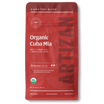
Organic Sumatra Mandheling Decaf Coffee

Sourced from smallholder farmers in the Gayo Highlands of Aceh, Indonesia. This Fair Trade and Organic coffee is traditionally wet-hulled before being decaffeinated using the Swiss Water Process, preserving its bold body and distinctive flavor. Expect notes of dark chocolate, cedar, brown sugar, and molasses in every cup.

AT A GLANCE

Origin
ORIGIN
Indonesia
Varietal
VARIETAL
Ateng • Timtim • Bourbon
Region
REGION
Jagong Jeget district, Central Aceh, Northern Sumatra
Process
PROCESS
Wet Hulled
Producer
PRODUCER
Gayo Megah Berseri Cooperative
Altitude
ALTITUDE
1,350 – 1,500 meters
Certification
CERTIFICATION
Fair Trade, USDA Organic, Swiss Water
Harvest
HARVEST
October–January

THE STORY BEHIND THIS COFFEE

This 100% USDA Organic decaffeinated coffee is sourced from smallholder farmers and producer cooperatives in the Gayo Highlands of Aceh, northern Sumatra, Indonesia. From the Jagong Jeget District of Central Aceh, coffee is cultivated across mountainous terrain at approximately 1,200–1,600 MASL, where cool humid conditions, abundant rainfall, and fertile volcanic soils support the slow development of Arabica cherries.

The lot brings together Ateng, Tim-Tim, and Bourbon, varieties grown throughout the Gayo Highlands. After harvesting, the coffee undergoes the traditional wet-hulled process, or Giling Basah, before being decaffeinated using the Swiss Water Process. This water-based method removes caffeine without the use of chemical solvents while preserving the coffee's natural character.

In the cup, this decaffeinated Sumatra offers recognizable notes of tobacco, molasses, and cocoa. Its combination of traditional Sumatran processing, highland cultivation, Organic and Fairtrade credentials, and Swiss Water decaffeination makes Lot 1260 a distinctive expression of Gayo coffee.

Gayo Megah Berseri Cooperative

GROWING CONDITIONS

ELEVATION
ELEVATION

At approximately 1,200–1,600 MASL, the coffee is cultivated across the highlands of Central Aceh, where cooler conditions support gradual cherry development.

CLIMATE
CLIMATE

The Gayo Highlands experience a cool, humid climate with abundant rainfall, creating a distinctive environment for Arabica cultivation across the mountainous terrain.

SOIL
SOIL

The region's volcanic loam soils, rich in organic matter and minerals, provide favorable conditions for healthy coffee plant growth.

SUSTAINABILITY
SUSTAINABILITY

This coffee carries 100% USDA Organic and Fairtrade credentials. Its production through smallholder and cooperative networks supports responsible agricultural practices, producer livelihoods, and access to international markets.

VARIETAL – ATENG, TIMTIM, BOURBON

This coffee combines Ateng, Tim-Tim, and Bourbon , varieties commonly cultivated throughout the Gayo Highlands. Their presence reflects the diverse genetic makeup of coffee production across the region, where smallholder farmers have developed cultivation systems suited to the mountainous environment of Central Aceh.

Grown at approximately 1,200–1,600 MASL and processed using the traditional wet-hulled method, these varieties contribute to the distinctive character of Gayo coffee. In this lot, that character is expressed through tobacco, molasses, and cocoa , supported by the fuller body and lower acidity associated with traditional Sumatran processing.

VARIETAL IN FOCUS

Ateng
ORIGIN

A local name for Catimor types introduced and naturalized in the Gayo highlands of Aceh, Sumatra, Indonesia. Name derived from 'Aceh Tenggara' (Southeast Aceh).

CHARACTERISTICS

Compact, high-yielding dwarf plant with strong leaf rust resistance inherited from its Catimor parentage. Widely planted by smallholder farmers in Aceh due to its productivity and low maintenance requirements. Often processed using the wet-hull (Giling Basah) method.

CUP PROFILE

Earthy, spicy, and full-bodied with a heavy mouthfeel. Wet-hulling amplifies its characteristic Indonesian earthiness, cedar, and tobacco notes with low acidity.

ROLE IN THIS LOT

Contributes heavy body, earthy intensity, and distinctive Indonesian spice character.

Tim Tim
ORIGIN

The local Indonesian name for the Timor Hybrid (Híbrido de Timor), a natural Arabica × Robusta cross discovered on Timor Island around 1927. Introduced into Sumatra and Flores and naturalized over decades of local smallholder cultivation.

CHARACTERISTICS

Tall, vigorous, and productive plant with strong leaf rust and CBD resistance inherited from its Robusta parentage. Long enough cultivation in Indonesia has allowed regional variations to develop — locally selected Tim Tim plants in Aceh and Flores show slightly different characteristics from the original HdT. Widely grown by smallholders across the Gayo highlands and Flores.

CUP PROFILE

Heavy body, low acidity, earthy and musty notes with hints of dark fruit, tobacco, and cedar. Wet-hull (Giling Basah) processing deepens its characteristic Indonesian earthiness and woody complexity.

ROLE IN THIS LOT

Contributes heavy body, earthy depth, and robust intensity to the cup.

Bourbon
ORIGIN

A natural mutation of Typica that developed on Réunion Island.

CHARACTERISTICS

Medium yield, broader leaves, susceptible to disease but excellent quality.

CUP PROFILE

Sweet, complex, round body with chocolate and subtle fruit notes.

ROLE IN THIS LOT

Adds sweetness and complexity to the cup.

PROCESSING OVERVIEW

HARVEST
1. HARVEST

Handpicked at peak ripeness 1,400 MASL the best quality cherries.

›
SORTING
2. SORTING

Cherries are sorted to remove underripe or damaged ones.

›
DRYING
3. DRYING

Naturally dried on raised beds under the sun with regular turning.

›
MILLING
4. MILLING

Dried cherries are hulled to remove the outer layers and reveal the green bean.

›
EXPORT
5. EXPORT

Carefully packed and prepared for its journey to roasters worldwide.

DRYING PROCESS

The Sumatra Coffee Drying Process

1

INITIAL DRYING

After wet-hulling, the coffee begins further drying to reduce moisture and prepare the beans for stabilization.

2

PATIO DRYING

Coffee is dried on patios under carefully managed conditions, allowing moisture to gradually decrease while maintaining the quality of the green coffee.

3

OPTIMAL MOISTURE

Drying continues until the coffee reaches a stable moisture level suitable for storage and export, helping preserve its distinctive tobacco, molasses, and cocoa character.

Coffee branch

This natural process highlights the inherent sweetness and body of the coffee, resulting in a cup with vibrant fruit notes, smooth mouthfeel, and lasting finish.

IN THE CUP

TASTING NOTES

Tobacco

Tobacco

Molasses

Molasses

Cocoa

Cocoa

BODY

Rich • Syrupy

ACIDITY

Low

SWEETNESS

Above Average

WHY WE SELECTED THIS LOT

Why We selected Lot 1260

We selected this Lot to showcase the distinctive character of Gayo coffee from the highlands of northern Sumatra. Produced by smallholder farmers and cooperative networks in Jagong Jeget, the coffee reflects the region's high elevations, volcanic soils, cool humid climate, and longstanding Arabica-growing tradition.

The combination of Ateng, Tim-Tim, and Bourbon, traditional wet-hulled processing, and Swiss Water decaffeination creates a decaf coffee that retains the deeper character associated with Sumatra. Tobacco, molasses, and cocoa define the cup, complemented by a full body and gentle acidity.

For Artizan Coffee, this coffee represents the connection between smallholder farming, traditional Sumatran processing, certified production, and thoughtful decaffeination. The result is a distinctive Swiss Water decaf that allows customers to experience the recognizable character of Gayo coffee without compromising on its traditional regional identity.

FAQs

Everything you need to know.

Our customer support is available Monday to Friday: 8am-8:30pm.Average answer time: 24h