



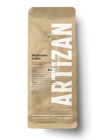












Ngura Village Coffee – Flores Bajawa, Indonesia

Ngura Village Coffee

Flores Bajawa,Indonesia

Ngura Village Coffee is produced by smallholder farming communities in the volcanic highlands of Flores Bajawa, East Nusa Tenggara, Indonesia. Grown at high elevations on fertile volcanic soils, this specialty Arabica coffee is known for its rich body, deep chocolate sweetness, and distinctive traditional wet-hulled processing.

Location

Flores Bajawa,Indonesia

Elevation

1,200–1,800 meters ASL

Varieties

Catimor, Typica, Hibrido de Timor, S.274

Processing

Wet Hulled

Certifications

USDA Organic

PRODUCER'S STORY

The story of Ngura Village Coffee

The story of Ngura Village Coffee

PRODUCER'S STORY

The story of Ngura Village Coffee

From Traditional Coffee Gardens to Specialty Coffee.

The story of Ngura Village Coffee begins in the volcanic highlands of Flores Bajawa, where smallholder farming families have cultivated Arabica coffee for generations.

For many years, coffee from Flores was primarily produced and sold through commodity channels, despite the region's exceptional high-altitude growing conditions and fertile volcanic soils. Limited processing infrastructure and inconsistent post-harvest practices often prevented farmers from receiving the full value of the coffee they produced.

Beginning in the mid-2000s, farmer groups and coffee organizations throughout Bajawa began working to improve harvesting, processing, drying, and quality-control practices. Producers increasingly adopted selective cherry picking, improved sorting, raised-bed drying, and more careful wet-hulled processing.

These efforts helped transform the reputation of Flores Bajawa coffee, creating new opportunities for smallholder farmers to access specialty coffee markets and receive greater recognition for the quality of their work.

Today, Ngura Village Coffee reflects both the traditional agricultural heritage of Flores and the continued efforts of its coffee-growing communities to improve quality and build a stronger future for specialty coffee. From small family-owned coffee gardens to organized farmer groups, the people behind this coffee continue to preserve the unique character of their volcanic highland origin while bringing the distinctive flavors of Flores Bajawa to coffee drinkers around the world.

NEW ARRIVALS FROM NGURA VILLAGE COFFEE

PEOPLE BEHIND IT

Smallholder Farming Families of Flores Bajawa

Smallholder Farming Families of Flores Bajawa

The coffee behind Ngura Village Coffee is produced by smallholder farming families in the highlands of Flores Bajawa, where generations of farmers have cultivated Arabica coffee across the region's volcanic mountain landscapes.

Most producers manage small, family-owned coffee gardens, often covering less than one hectare. Coffee cultivation is largely labor-intensive, with farmers relying on traditional agricultural knowledge, family labor, and careful hand harvesting adapted to the steep and mountainous terrain.

Many farmers work through organized producer groups and cooperatives that help connect individual families with technical training, improved processing methods, quality-control programs, and specialty coffee markets.

Through these collective efforts, smallholder farmers are able to maintain their connection to their land and traditional farming practices while improving the quality and value of their coffee. Their work represents the enduring agricultural heritage of Flores Bajawa and the growing recognition of its coffee-growing communities within the international specialty coffee industry.

FARMING PRACTICE

Smallholder Agroforestry

Smallholder Agroforestry

FARMING PRACTICE

Smallholder Agroforestry

Coffee is cultivated by smallholder farming families and independent producers, often on small, family-managed plots. Production is typically labor-intensive, with farmers relying on careful hand cultivation, generations of agricultural knowledge, and farming practices adapted to the local environment.

Coffee is often grown alongside shade trees and other vegetation, forming diversified farming systems that can support biodiversity, provide natural shade, help protect soil, and contribute to the overall health of the growing environment.

The combination of small-scale farming, traditional knowledge, and evolving agricultural practices allows producers to maintain the character of their local coffee-growing regions while continuously working to improve coffee quality, farm productivity, and long-term sustainability.

SUSTAINABLE BY NATURE

Ngura Village Coffee – Flores Bajawa, Indonesia Investing in Long-Term Environmental & Community Sustainability

Ngura Village Coffee – Flores Bajawa, Indonesia Investing in Long-Term Environmental & Community Sustainability

SUSTAINABLE BY NATURE

Ngura Village Coffee – Flores Bajawa, Indonesia Investing in Long-Term Environmental & Community Sustainability

Sustainability in the Flores Bajawa coffee-growing region is closely connected to smallholder agriculture, traditional agroforestry, and the long-term development of rural farming communities.

Coffee is cultivated on small family-owned plots throughout the volcanic highlands, often beneath shade trees and alongside other vegetation. These diversified farming systems help support biodiversity, protect soil, and maintain ecological balance within the mountainous coffee-growing environment.

Through organized farmer groups and cooperative networks, producers can access agricultural training, quality-improvement programs, improved processing infrastructure, and specialty coffee markets. Some producer groups also participate in organic and sustainability certification programs, although certification status varies by producer organization and specific coffee lot.

By combining traditional farming knowledge with improved agricultural and post-harvest practices, the coffee-growing communities of Flores Bajawa continue to strengthen the environmental and economic sustainability of coffee production throughout the region.

Agroforestry

Coffee is cultivated alongside avocado trees, African mahogany, eucalyptus, and other species within diversified agroforestry systems. These plantings help improve biodiversity, strengthen soil health, and provide natural shade ac

Smallholder Farming

Coffee is cultivated on family-owned farms where producers maintain close oversight of growing, harvesting, and post-harvest activities. This hands-on approach supports quality-focused production while preserving agricultural knowledge passed down through generations.

Organic & Responsible Cultivation


Some producer groups participate in certified organic and sustainability programs that promote environmentally responsible farming practices. Certification and production standards vary by producer group and specific coffee lot.

Farmer Empowerment & Market Access

Organized farmer groups help producers access technical training, quality improvement programs, better post-harvest infrastructure, and specialty coffee markets. These opportunities can help farmers improve coffee quality and receive greater value for their production.

Quality Improvement & Responsible Processing

Improved harvesting, sorting, drying, and processing practices help reduce quality losses and improve the value of coffee produced by smallholder farmers. These efforts support more efficient use of the coffee crop while strengthening long-term economic opportunities for producer communities.

Certifications

USDA Organic
Why We Selected This Producer

Ngura Village Coffee

Ngura Village Coffee combines the distinctive character of Flores Bajawa with the dedication of smallholder farming communities and a traditional processing method that gives the coffee its unique identity. The high-altitude volcanic environment, mineral-rich Andosol soils, and cool mountain climate create ideal conditions for producing Arabica coffees with exceptional body, sweetness, and complexity.

The traditional wet-hulled process, known locally as Giling Basah, contributes to the coffee's rich syrupy texture, muted acidity, and deep flavors of dark chocolate, fudge, molasses, and brown sugar. At the same time, improved harvesting, sorting, drying, and quality-control practices have helped produce a cleaner and more refined expression of the classic Indonesian coffee profile.

For Artizan Coffee, this coffee represents the unique terroir of Flores Bajawa and the continued efforts of smallholder farmers and producer groups to improve quality and access to specialty markets. The result is a distinctive Indonesian coffee that combines traditional processing, volcanic highland agriculture, and the craftsmanship of the farming communities who cultivate it.