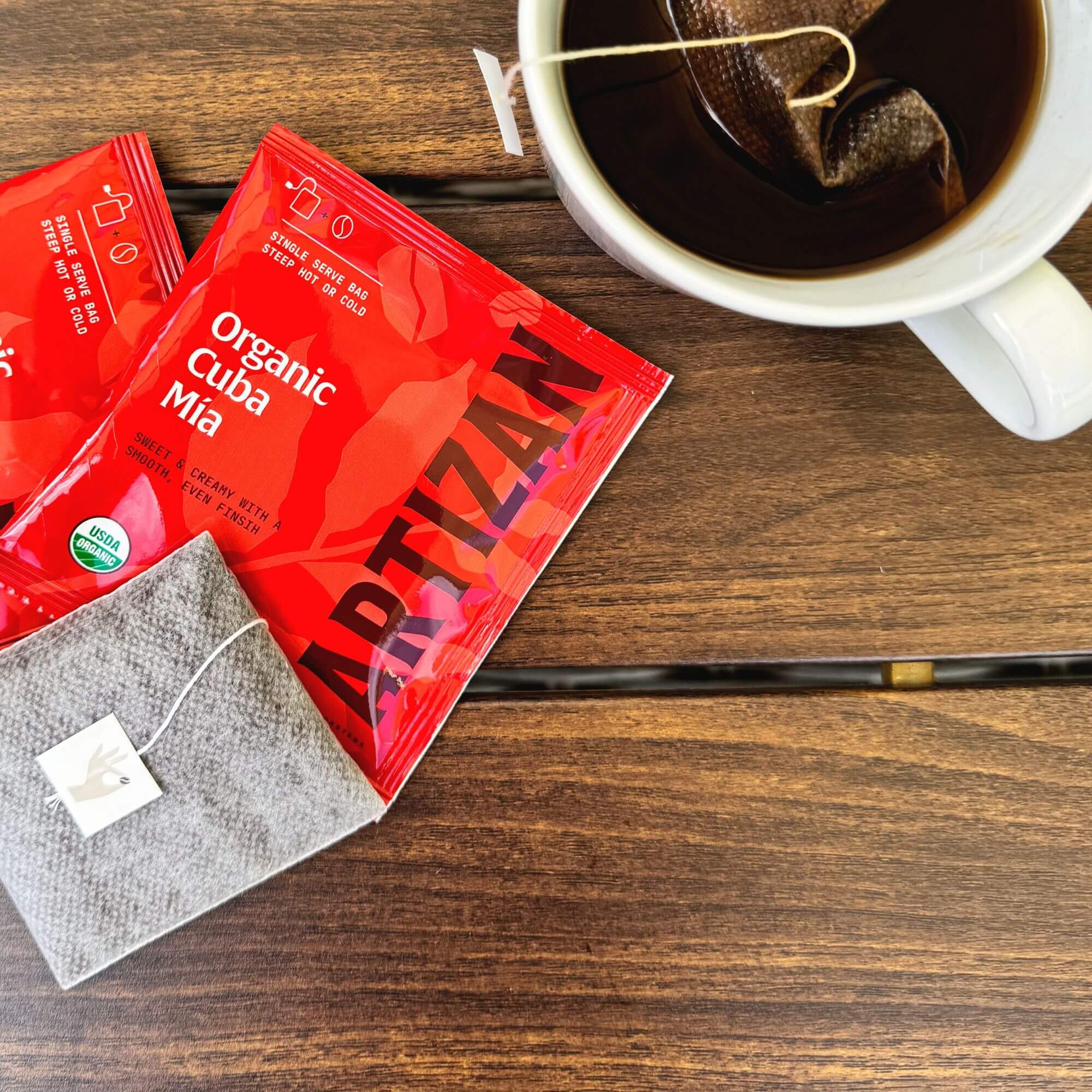

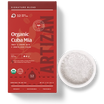

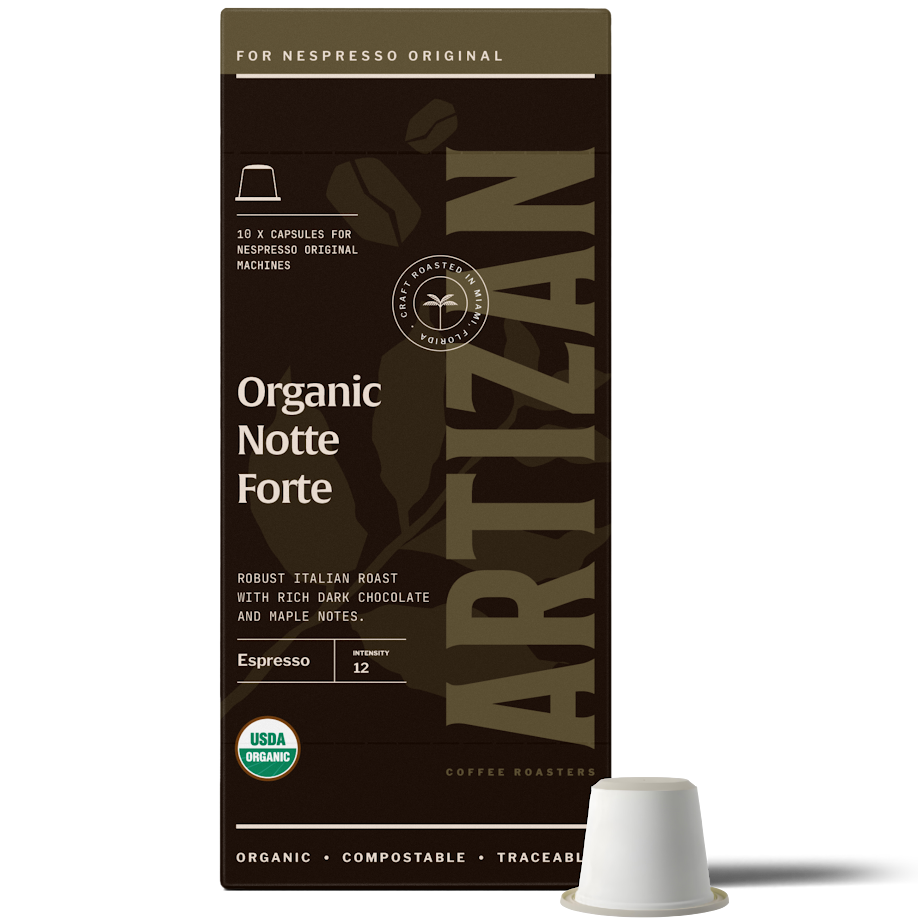
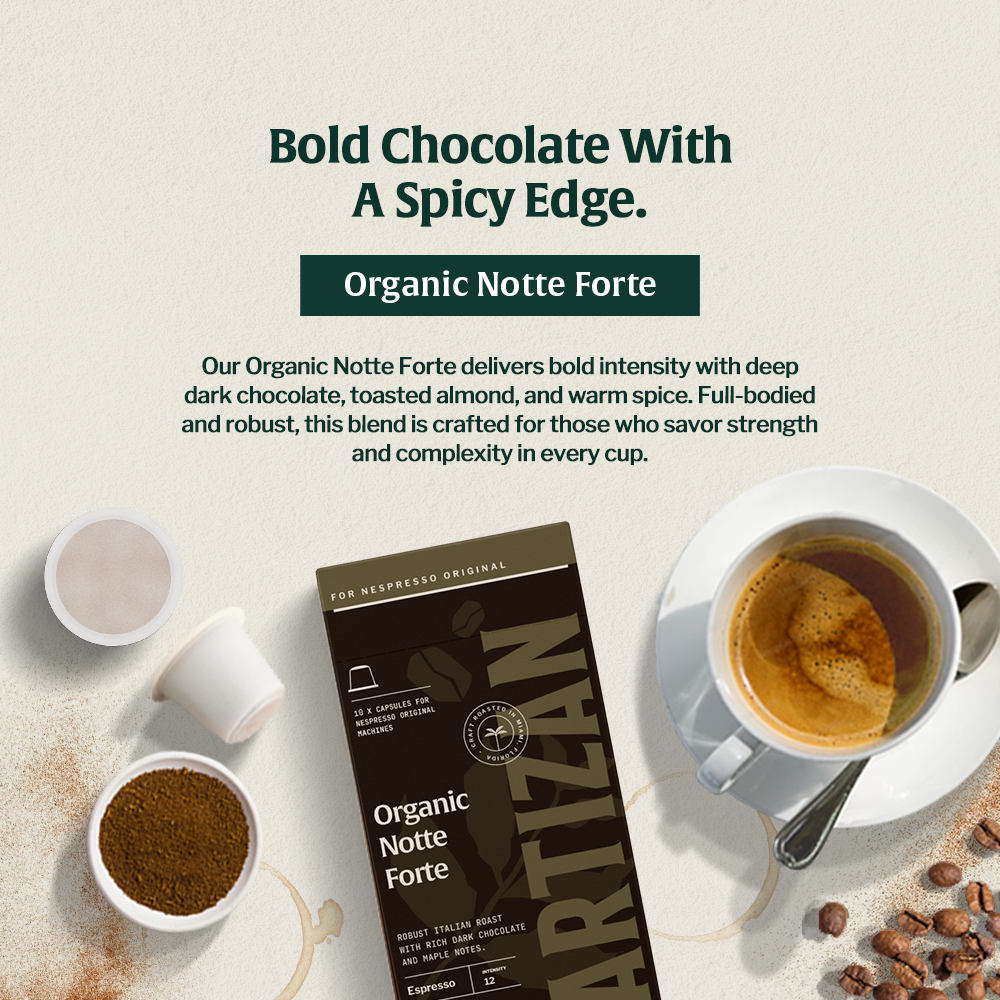


Organic Notte Forte - Espresso

- Tasting Notes: Deep Roast. Dark Intentions.
- Flavor Profile: Dark & Intense
- Intensity: 12
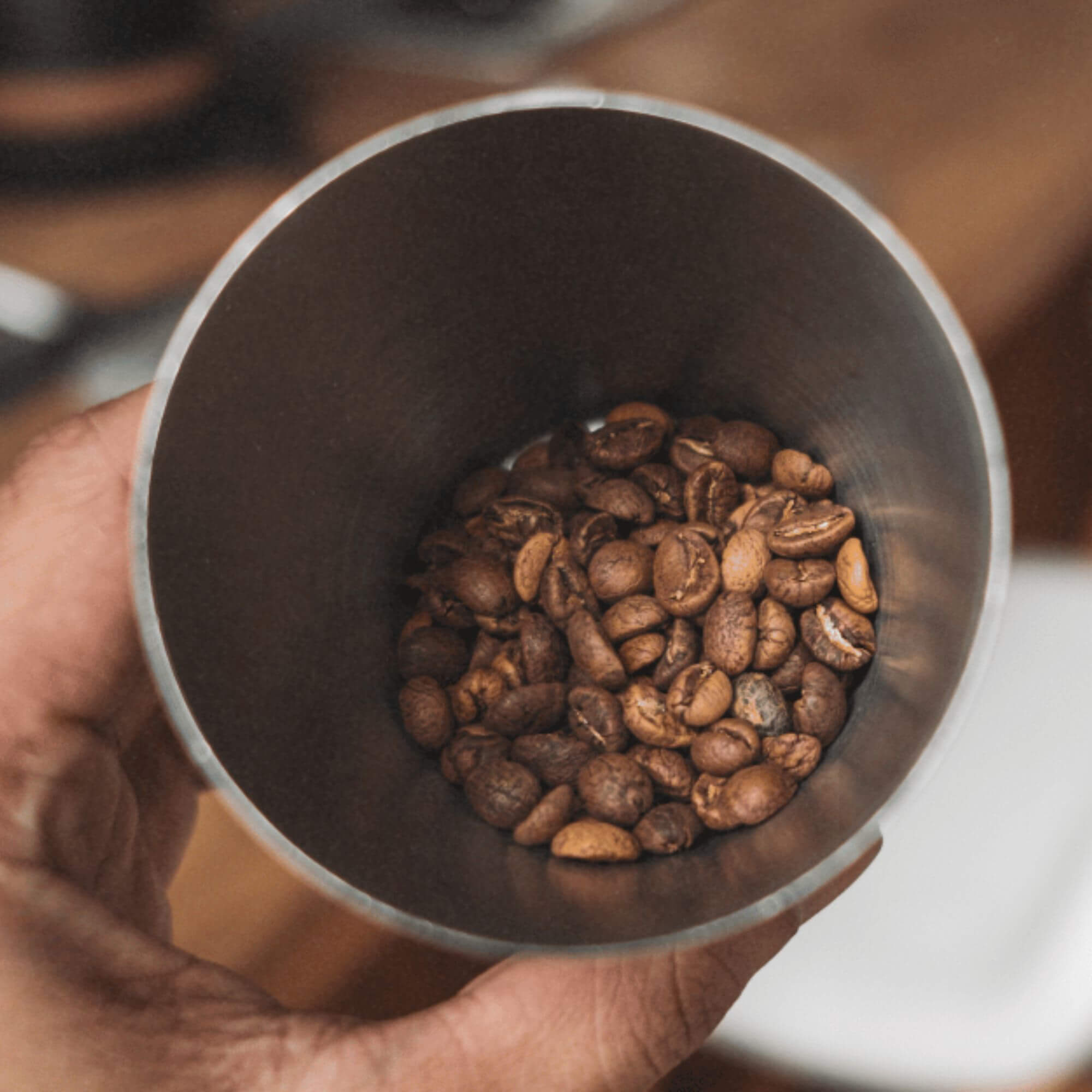
- Roast Level: French
- Acidity: Low
Specialty-Grade Organic Coffee
Freshly Roasted In-House
Nitrogen-Flushed for Freshness
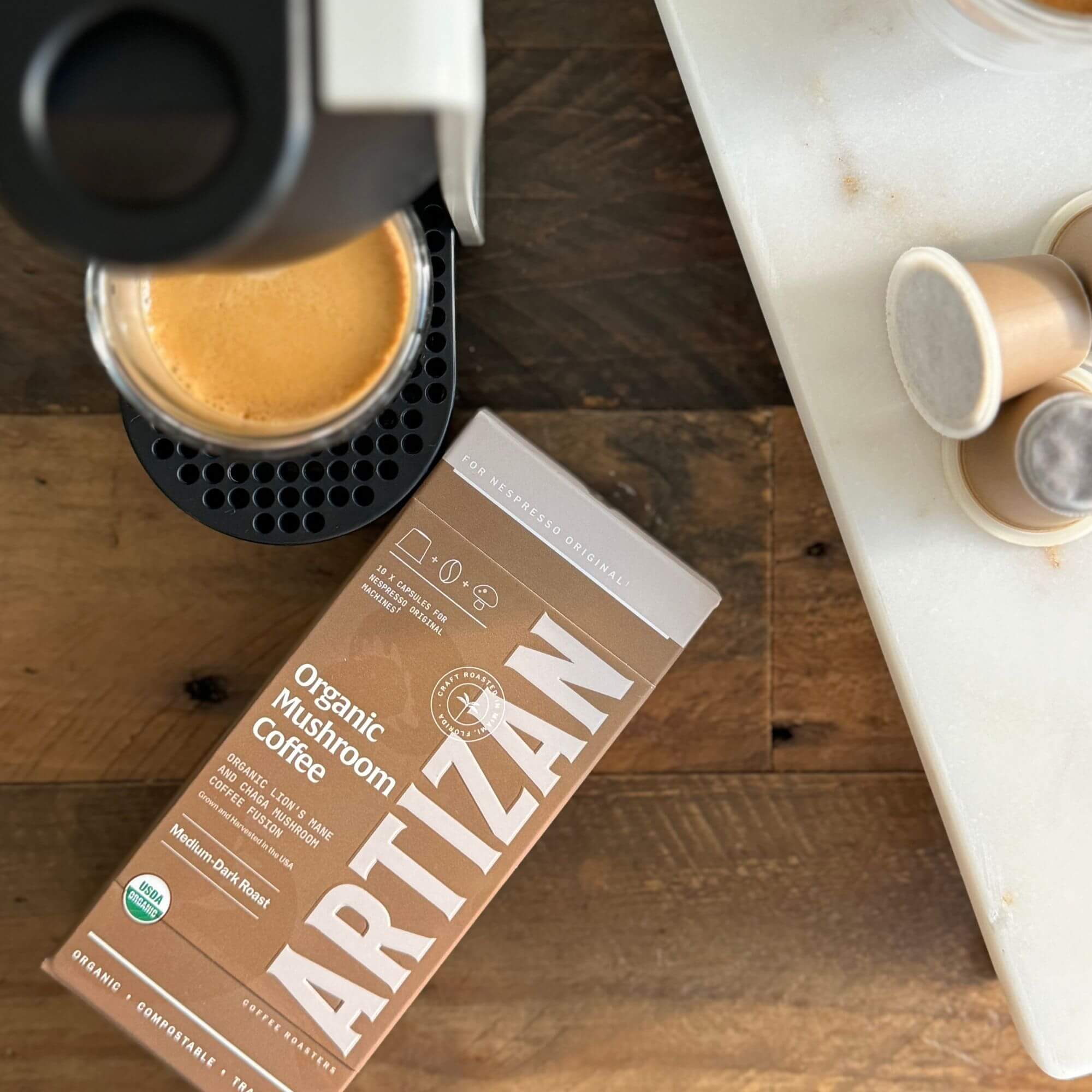
Crafted for Nespresso Original Machines
100% Home Compostable Capsules
Ingredients: Organic Arabica Coffee, Organic Robusta Coffee
Caffeine Level: Regular
10 Capsules per Box
 Origin & Traceability
Origin & Traceability

Dukunde Kawa Cooperative
Dukunde Kawa is a well-known producer group in Rwanda, as much for exceptionally bright and memorable coffees as for its exceptional business structure: the cooperative carries multiple certifications for its various washing stations including Fair Trade, Organic, Rainforest Alliance, and UTZ, and more than 80% of its workforce is women. Not only that but the organization is located in the Northern province, which, despite its closeness to Kigali, tends to be little-known in specialty coffee compared to the west and south. Since first organizing in 2000 with a single wet mill, years before the majority of washing stations in Rwanda even existed, Dukunde Kawa has received sustainability awards from the SCA as well as placing in the top positions in Rwanda’s Cup of Excellence competition. Today the cooperative has over 2,000 farmer members and multiple washing stations in the Gakenke District north of Kigali. Mbilima is one of these stations.
Mbilima was established by Dukunde Kawa in 2005 to give farmers in this area a shorter commute to deliver cherry during harvest (Ruli, the coop’s other nearest station, made for a long journey for many and the quality of cherry suffered as a result). Thanks to a mineral-rich soil and lush environment, the washing station and its contributing farmers successfully achieved organic certification in 2015. This is one of the highest elevations that Dukunde Kawa serves, with farms passing 2100 meters. Mbilima itself sits at 2020 meters, making it one of the highest washing stations in the country. Because of the high elevation and local climate, harvest here progresses slowly and members annually pick coffee into the month of October, multiple months past the majority of the country.
Processing at Mbilima includes cherry sorting by the farmers themselves upon delivery. The cherry is then floated in a large receiving bay to identify and remove floaters (low-density cherry which is processed separately). Cherry is then depulped and the fresh parchment is graded immediately by flotation in a short channel. Fermentation usually lasts 18 hours and is completed without water. Once the dry fermentation is complete the parchment is soaked in fresh water between 18-24 hours to halt fermentation and the stabilize moisture content of the batch. After the soak the parchment is washed once again, this time in grading channels—long shallow concrete channels with water flowing through—which allows the parchment to naturally separate by density. From here, each separate density grade is moved to pre-drying tables to be hand-sorted for imperfections and gently dried to the touch. After the hand-sort is complete, the parchment is then moved to fully-exposed drying tables to finish drying, a process that takes between 14-21 days depending on the climate.
Despite its diminutive size compared to other East Africa coffee producing countries, Rwanda’s coffee has an important history and terroir entirely unique to the rest of the continent. Coffee was originally forced upon remote communities by the Belgians as a colony-funding cash crop. The Belgians distributed varieties cultivated by the French on Ile de Bourbon (now Reunion Island, near Madagascar) but had so little invested in coffee’s success that they immediately allowed production to decline through lack of investment in national infrastructure, as well as the farmers who grew it. As a result, the sector suffered near total obscurity in the coffee world from Rwanda’s independence in 1962 until the period of rebuilding following the country’s devastating civil war and astonishingly tragic genocide in 1994.
Rwanda’s former cash crop, however, roared to international buyer attention in the late 2000’s thanks to one of East Africa’s most successful coffee interventions, the Partnership for Enhancing Agriculture in Rwanda Through Linkages (PEARL). PEARL was a sweeping infrastructure and education investment targeting large regions of Rwanda whose coffee was for the most part processed poorly at home and exported with little traceability. The program, designed and led by the University of Michigan, Texas A&M and a host of Rwandan organizations, vastly increased processing hygiene by building washing stations. It also organized remote and under-resourced smallholders into cooperative businesses capable of specialty partnerships. Perhaps most significantly for the long term, it took the legacy bourbon genetics buried in abandon and polished them anew to the amazement of coffee drinkers everywhere. The snappy acidity, stone fruit flavors, and fragrant herbaceousness found in Rwanda’s coffee is still completely unique to bourbon produced anywhere else in the entire world. Producer groups like Dukunde Kawa cherish their farmers’ potential and are learning to maximize the quality and variety available from Rwanda’s most promising terroirs.
Lot 1284 - Tanzania
- Country: Rwanda
- Region: Akanduga Village, Gakenke District,
- Co-op: Dukunde Kawa Cooperative
- Harvest: March - October
- Process: Fully WashedRaised Beds
- Altitude: 1,800 and 2,200 meters ASL
- Soil: Deep Volcanic Andisols (Volcanic Loam)
- Arrival Date: 2026-06-12
- Lot Number: 1284
Fazenda Dutra
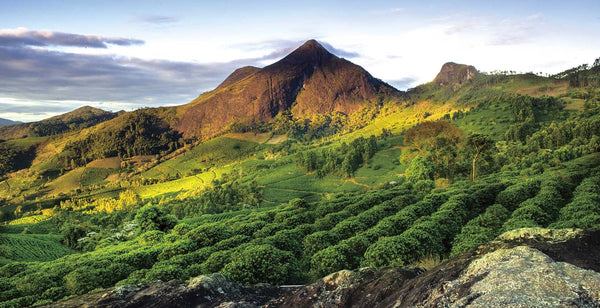
In the lush, mountainous landscape of Matas de Minas, a region known for its small-to-medium farms and rolling terrain, Fazenda Dutra stands as a shining example of what happens when tradition, innovation, and sustainability come together in perfect harmony. Though Brazil is the world’s largest coffee producer, and Minas Gerais accounts for more than half of its total output, this family-run estate produces something truly special—coffee that reflects not only the richness of the land, but the values of the people who farm it.
More than 50 years ago, the Dutra family began planting coffee in this region. Today, the estate spans nearly 2,500 acres, encompassing 10 distinct farms and over 3 million coffee trees. Every cherry is hand-harvested—a rarity in Brazil—by over 600 seasonal workers during harvest, allowing for meticulous quality control and full traceability. While the estate may seem large, by Brazilian standards it’s modest in scale, which has enabled the Dutras to focus on producing specialty-grade, direct trade lots with incredible attention to detail.
Sustainability isn’t just a buzzword here—it’s a deeply rooted philosophy. Fazenda Dutra is 100% solar-powered for its depulping operations, and plans are underway to convert all mechanical dryers to solar as well. The estate maintains over 750 acres of preserved native forest, which protects natural water sources, prevents erosion, and provides biodiversity corridors for wildlife. Beyond these efforts, the Dutra family actively prioritizes organic practices—limiting synthetic inputs, enriching the soil with natural compost, and protecting ecological balance with shade trees and cover crops that improve water retention and nutrient cycling.
Their commitment to sustainability goes hand in hand with their care for people. The Dutras have invested in an on-site school, ensuring access to education for employees' children, and they provide a comprehensive health care program for workers and their families—an uncommon benefit in rural farming communities.
In every sense, Fazenda Dutra is a model of eco-conscious agriculture. From clay-rich volcanic soils and solar-powered equipment to organic farming practices and community well-being, every decision on this farm is made with long-term impact in mind. The result is more than just an exceptional cup of coffee—it's a product of purpose, progress, and genuine care.
Lot 1287 - Organic Brazil Natural Fazenda Dutra SCR 15+ (GP)
- Country: Brazil
- Region: Minas Gerais
- Farm: Fazenda Dutra
- Harvest: June
- Process: Natural (Dry Process)Patio Drying
- Variety: Catuai, Mundo Novo
- Altitude: 600 - 1,300 meters
- Soil: Clay-Rich Mineral
- Arrival Date: 2026-06-15
- Lot Number: 1287

Wayanad Social Service Society (WSSS)
The Wayanad Social Service Society (WSSS) is a cooperative growers’ collective and non-profit organization based in Wayanad, Kerala, India, founded in 1974 to support marginalized farming communities in the Western Ghats. It organizes and empowers over 8,000 smallholder farmers, focusing on organic and Fair Trade-certified coffee, spices, and pepper cultivation while promoting sustainable agriculture and community development. Located at 900–1,650 meters above sea level, WSSS farmers cultivate shade-grown Robusta and Arabica coffee under natural forest canopies, preserving biodiversity and soil health in this UNESCO Biosphere region. The society provides training on organic farming methods, certification support, technical assistance, and access to markets, ensuring that smallholder farmers receive fair prices for their crops. WSSS is also a pioneer in organic certification in Kerala, having facilitated certifications for over 19,000 farmers through collaboration with accredited certifying bodies like LACON and OneCert. Beyond agriculture, WSSS invests in community welfare through education programs, women's empowerment initiatives, and environmental conservation projects while ensuring transparent governance and fair practices across its member base. Their coffee, often natural-processed Robusta Cherry AA, is sun-dried and carefully graded, resulting in a clean, heavy-bodied cup profile with notes of dark chocolate and nutty sweetness typical of quality Indian Robusta. In essence, WSSS exemplifies a values-driven, farmer-centered cooperative model in India, combining high-quality, sustainable coffee production with impactful social and environmental initiatives that uplift smallholder farming communities in Wayanad.
Lot 1288 - India Organic Robusta Cherry A
- Country: India
- Region: Kerala
- Co-op: Wayanad Social Service Society (WSSS)
- Harvest: December - March
- Process: Full NaturalDried in the SunMechanical Dryer
- Variety: Robusta
- Altitude: 900 - 1,650 meters
- Soil: Volcanic Loam
- Arrival Date: 2026-07-01
- Lot Number: 1288
Certified USDA Organic
We’re not just using organic beans—we’re a USDA Organic certified facility. That means every step of our process, from sourcing to roasting to packaging, meets the highest standards. No synthetic pesticides, no chemical fertilizers—just clean coffee from soil to capsule.
Specialty-Grade Quality
Only the top 5% of coffee beans in the world qualify as specialty-grade. We go a step further—selecting only those that are also certified organic. Each batch is tested for quality and purity, including mold and mycotoxins. It’s coffee without compromise.
Swiss Water® Decaf (If applicable)
For our decaf products, we use the 100% chemical-free Swiss Water® Process—preserving flavor while eliminating caffeine without compromise.
Fair Trade Certified
We partner with producers who are paid fairly, work under ethical conditions, and invest in their communities. Fair Trade certification means your coffee supports a supply chain that’s as sustainable for people as it is for the planet.
Certifications You Can Count On
Made In-House for Full Transparency
We don’t outsource quality. Every capsule is roasted, filled, and packed in our organic-certified, FDA-registered facility in South Florida—ensuring total transparency, craftsmanship and complete control over what goes into your cup.
No White-Label. No Mystery Fillers.
Most capsule brands use third-party manufacturers and mass-market coffee. We don’t. What’s in your cup is 100% traceable, 100% Artizan, and 100% intentional.
Built for a Better Daily Ritual
Exceptional coffee shouldn’t come at the planet’s expense. Our capsules are crafted to deliver bold flavor and convenience—without waste, compromise, or question marks.
100% Home Compostable
No plastic. No aluminum. Just renewable, plant-based materials. Toss them in your compost—they’ll break down naturally, leaving no trace.
Why It Matters
Billions of pods end up in landfills every year. Ours don’t. Choosing Artizan means choosing a better daily habit—for you and the planet. Zero waste, zero compromise.
Sustainable from the Start
We designed our entire process to reduce environmental impact. From sourcing organic beans to roasting in small batches to compostable packaging, sustainability isn’t a buzzword—it’s built into everything we do.
Built for a Better Daily Ritual
We believe exceptional coffee shouldn’t come at the planet’s expense. Our capsules are designed to deliver big on flavor, while keeping your footprint small.
USDA Organic · Home Compostable · Nespresso Compatible · Roasted in South Florida
Box of 10 Home Compostable Capsules for Nespresso®* Original. (Not Compatible with Nespresso®* Vertuo).
Frequently Asked Questions
At Artizan Coffee, we’ve reimagined what a capsule can be. Our Nespresso® OriginalLine–compatible capsules are filled with USDA certified organic specialty coffee, roasted fresh in our Davie, Florida roastery. We grind and pack in-house—never outsourcing—so every capsule delivers full flavor and aroma, just as intended.
Even better, our Zero Impact Capsules are made from plant-based, home-compostable materials. No aluminum, no plastic waste—just exceptional coffee that’s good for you and the planet.
Are Your Capsules Compatible With any Nespresso Vertuo Machine?
No. Our capsules are not compatible with any Nespresso Vertuo machines. Vertuo machines use a completely different capsule shape and brewing system that is incompatible with Nespresso OriginalLine–style capsules, like the ones we produce.
If you’re using a Vertuo machine, we recommend checking directly with Nespresso for compatible options.
If you have an OriginalLine Nespresso machine, our capsules are a perfect fit.
Will Artizan Coffee Capsules Fit My Nespresso Machine?
Artizan Coffee capsules are specifically designed to work with the following Nespresso OriginalLine machines:
Delonghi C190, D290, Citiz, Citiz&Milk, Maestria, U, Le Cube, Inissia, Lattissima Plus, Lattissima Touch, Lattissima One, Pixie, KitchenAid, Prodigio, Expert, Essenza Mini, Creatista, Creatista Uno, and Creatista Plus.
❗Important Note: Artizan capsules may not work with all Nespresso Original machines. If your machine is not listed above, compatibility is not guaranteed.
Known machines that are NOT compatible with Artizan capsules:
- Nespresso Lattissima Pro
- D150 Nespresso
- Ninja Espresso & Coffee Barista System
- Miele Coffee Machine
If you're unsure about compatibility, feel free to contact us we’re happy to help.
Do Your Capsules Contain Any BPA?
No. Our capsules arecompletely free of BPA (bisphenol-A), phthalates, and halogens. They’re made fromplant-based, compostable materialsthat are food-safe, non-toxic, and environmentally friendly. You can enjoy your coffee knowing the capsule is as clean and conscious as what’s inside.
How Many Capsules Are In A Box?
Each box contains 10 capsules.
Are Artizan Coffee Capsules Aluminum And Plastic-Free?
Our capsules do not contain any aluminum, so there’s no risk of aluminum leaching during brewing. Instead, we use plant-based, home compostable biodegradable materials that are safe for you and better for the environment.
How Much Coffee Is In Your Capsules?
Each Artizan Coffee capsule contains between 5 and 6 grams of specialty organic coffee, depending on the specific blend or product. On average, our capsules hold approximately 5.5 grams—crafted to deliver a balanced and flavorful espresso experience.
How Much Caffeine Is In Each Capsule?
On average, our capsules containbetween 60 mg and 120 mg of caffeine, depending on the roast level and coffee origin. Ourdecaf capsulescontain only 1 to 2 mg of caffeine per serving, thanks to our chemical-free Swiss Water® decaffeination process.
What Are Your Capsules Made Of?
Our Nespresso®*-compatible capsules are made from BASF’s ecovio®, a biobased and fully compostable polymer. This high-quality bioplastic is a blend of ecoflex®—a biodegradable polymer—and PLA (polylactic acid) derived from renewable resources like sugarcane.
These plant-based materials allow us to deliver a convenient single-serve coffee experience without compromising our commitment to sustainability. Our capsules are certified compostable and designed to break down in the right composting conditions—leaving behind no toxic residue.
*Nespresso® is a registered trademark of Société des Produits Nestlé S.A., which is not affiliated with Artizan Coffee.
What Are The Top Lids Made Of?
Our capsule lids are made from 100% cellulose natural fibers and are FSC® certified, meaning they come from responsibly managed forests. They are both biodegradable and certified compostable—suitable for home and industrial composting in accordance with EN 13432 standards.
This ensures that every part of our capsule, including the lid, aligns with our commitment to sustainability and clean materials—without compromising performance.
Are Your Capsules Compostable Or Biodegradable?
Both. Our pods are designed to be biodegradable and compostable, making them a more sustainable alternative to traditional plastic or aluminum capsules.
Thanks to their special chemical structure, our pods can be broken down naturally by microorganisms and their enzymes. In the high-temperature, high-moisture, oxygen-rich conditions of an industrial composting facility, this process typically takes just a few weeks.
This means you can enjoy the convenience of single-serve coffee without the environmental guilt—our pods are made to disappear the right way.
What about Recycling? Can I Recycle My Used Capsules?
It’s a fair question—and the truth might surprise you.
Over 75% of coffee capsules end up in landfills. Most aren’t truly recyclable, despite the green claims. They’re too small or made with aluminum and plastic, which require complex disassembly. Recycling coffee pods has become more of a marketing tactic than an environmental solution.
That’s why we took a better route.
Our capsules are made from plant-based materials and are 100% home-compostable. Just toss them in your backyard compost, food waste bin, or municipal green bin (where accepted). They break down naturally—no chemicals, no waste.
Can they be recycled?
No. Compostable pods are not meant for recycling. Recycling systems can't process plant-based materials and may treat them as contamination.
What if I throw them in the trash?
Even if composting isn’t an option, our pods still leave a lighter footprint. Unlike plastic or aluminum, they won't pollute the planet for centuries. They’ll break down much more quickly in landfills compared to traditional capsules.
In short: Compost them if you can. Trash is better than recycling in this case. But either way, you're making a cleaner choice.
Where Are Your Capsules for Nespresso Original Machines Made?
All of our Nespresso-compatible capsules are roasted, filled, and packaged in-house at our FDA-approved, USDA-certified organic facility in Davie, Florida, USA.
Unlike most brands—whose pods are produced overseas and often sit in warehouses for months before reaching your cup—ours are made fresh and shipped direct. Many of those imported capsules are roasted up to 3 months before you even open the box, often in countries with inconsistent quality control.
By doing everything under one roof, we ensure exceptional freshness, strict quality standards, and total transparency—from sourcing to the final pour.
