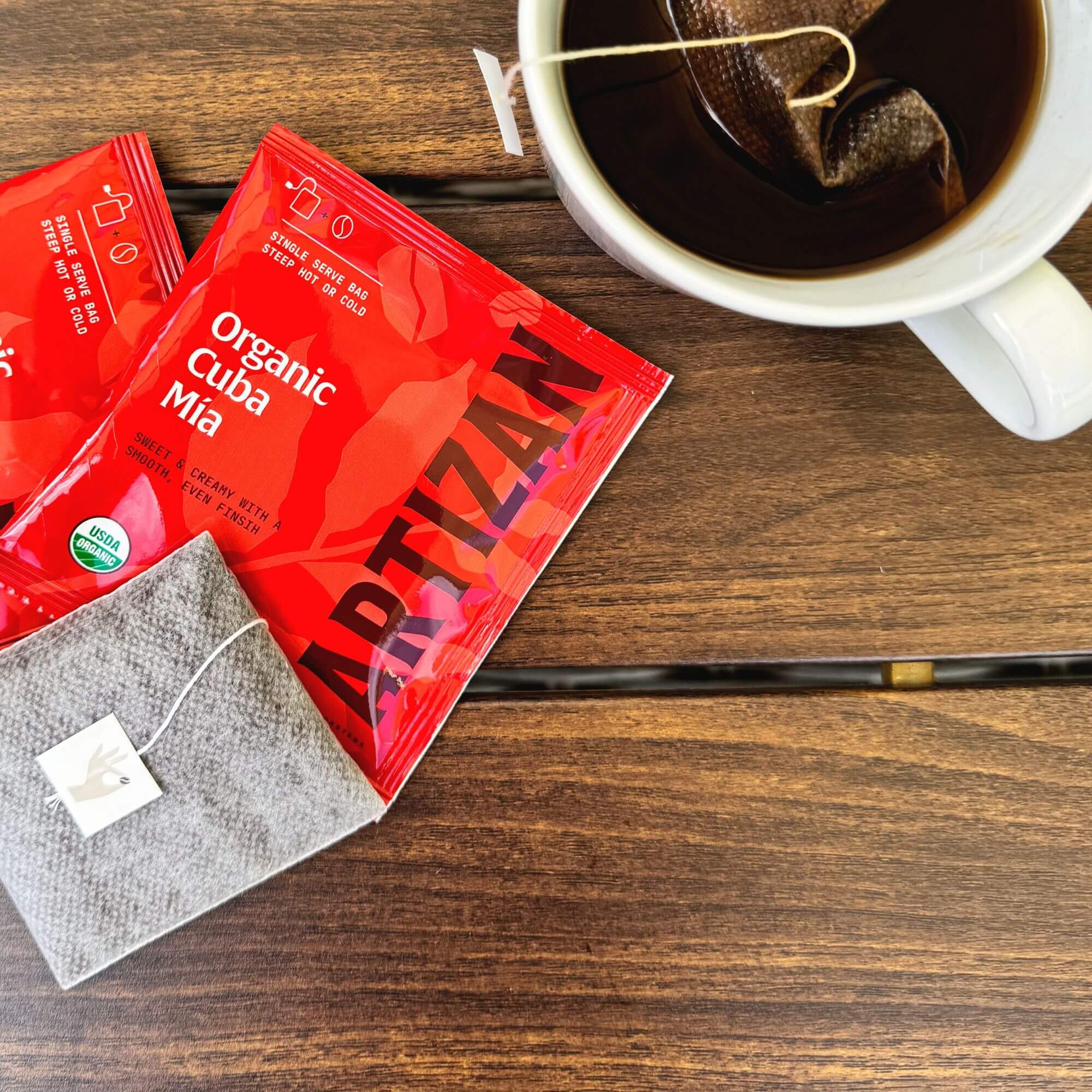
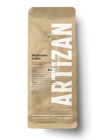


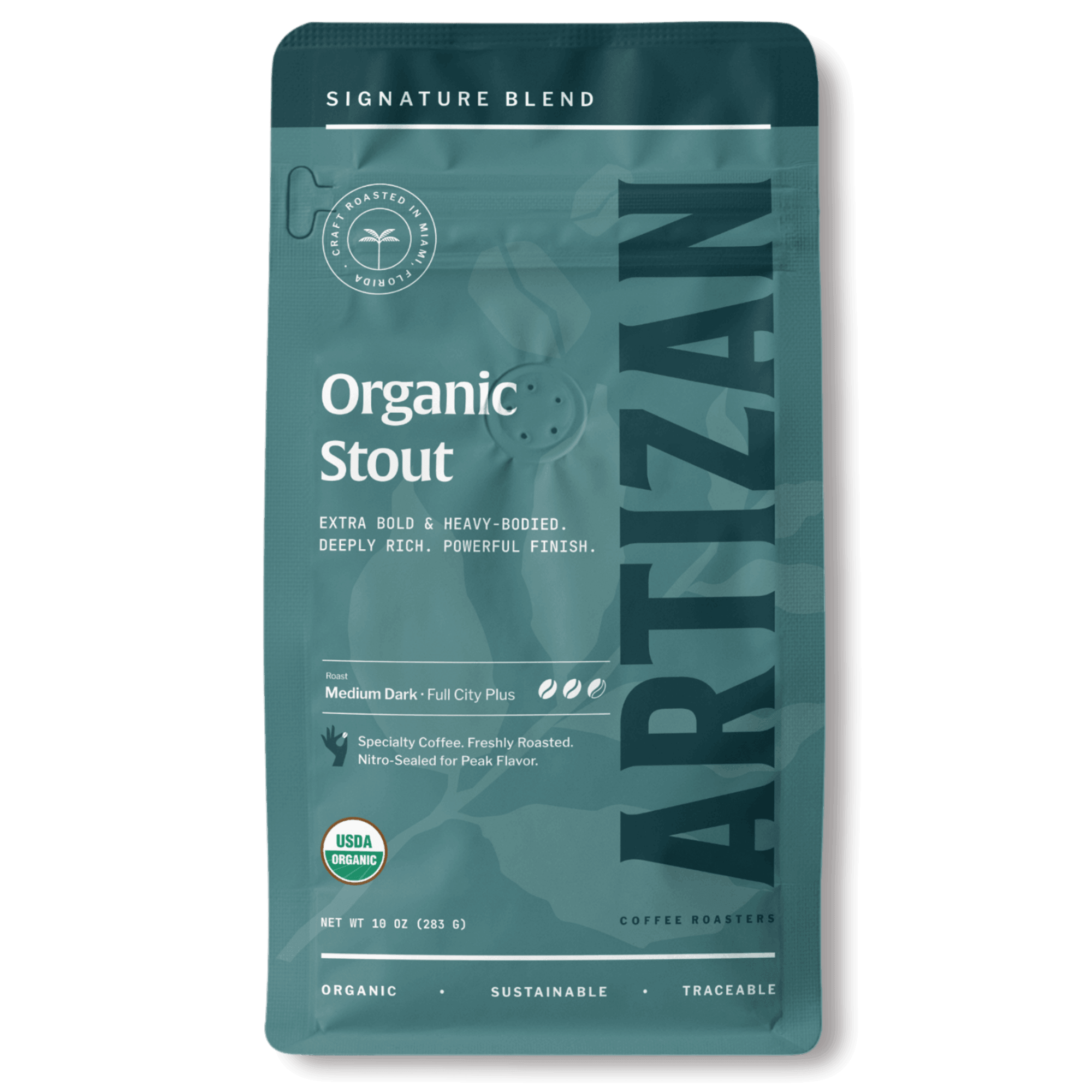

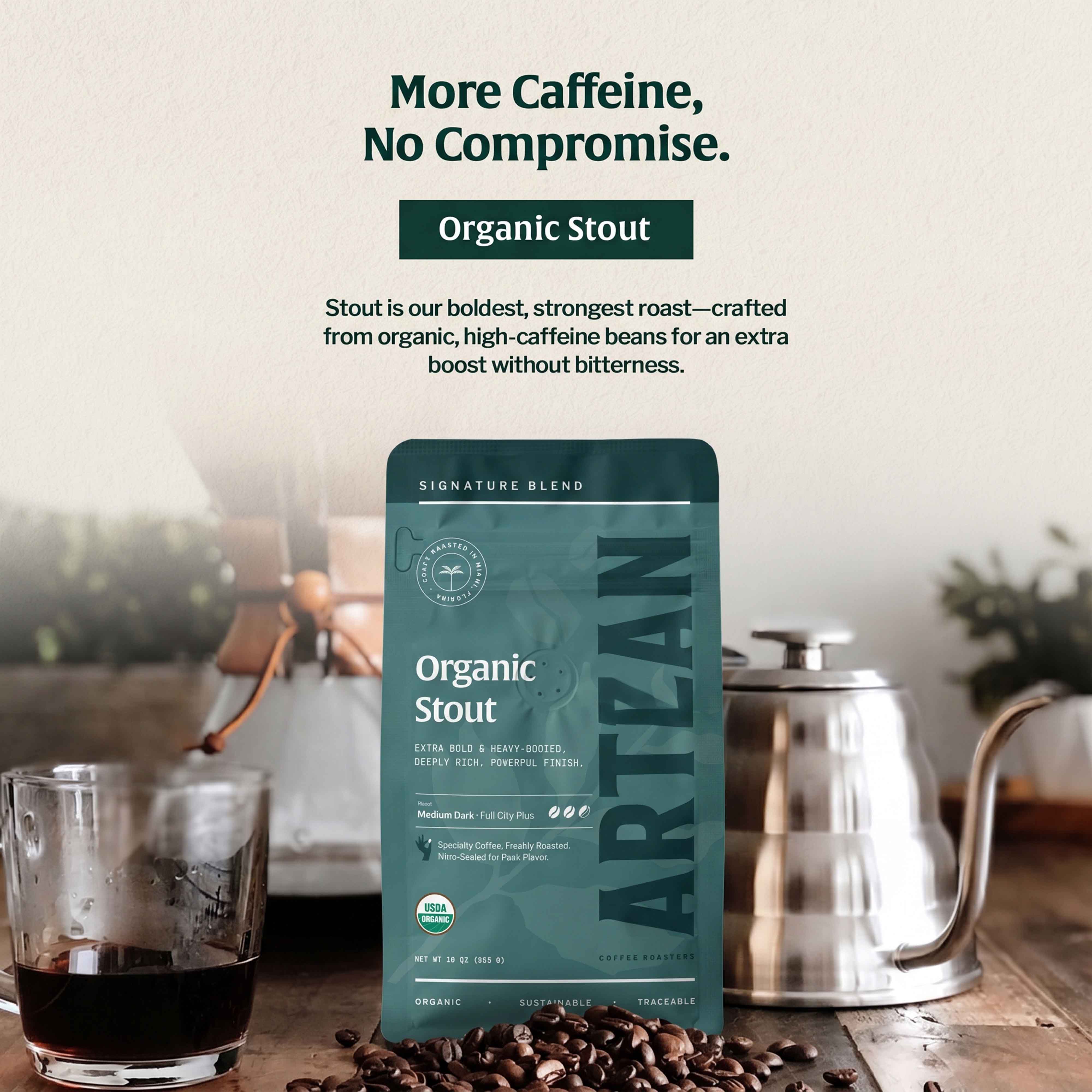
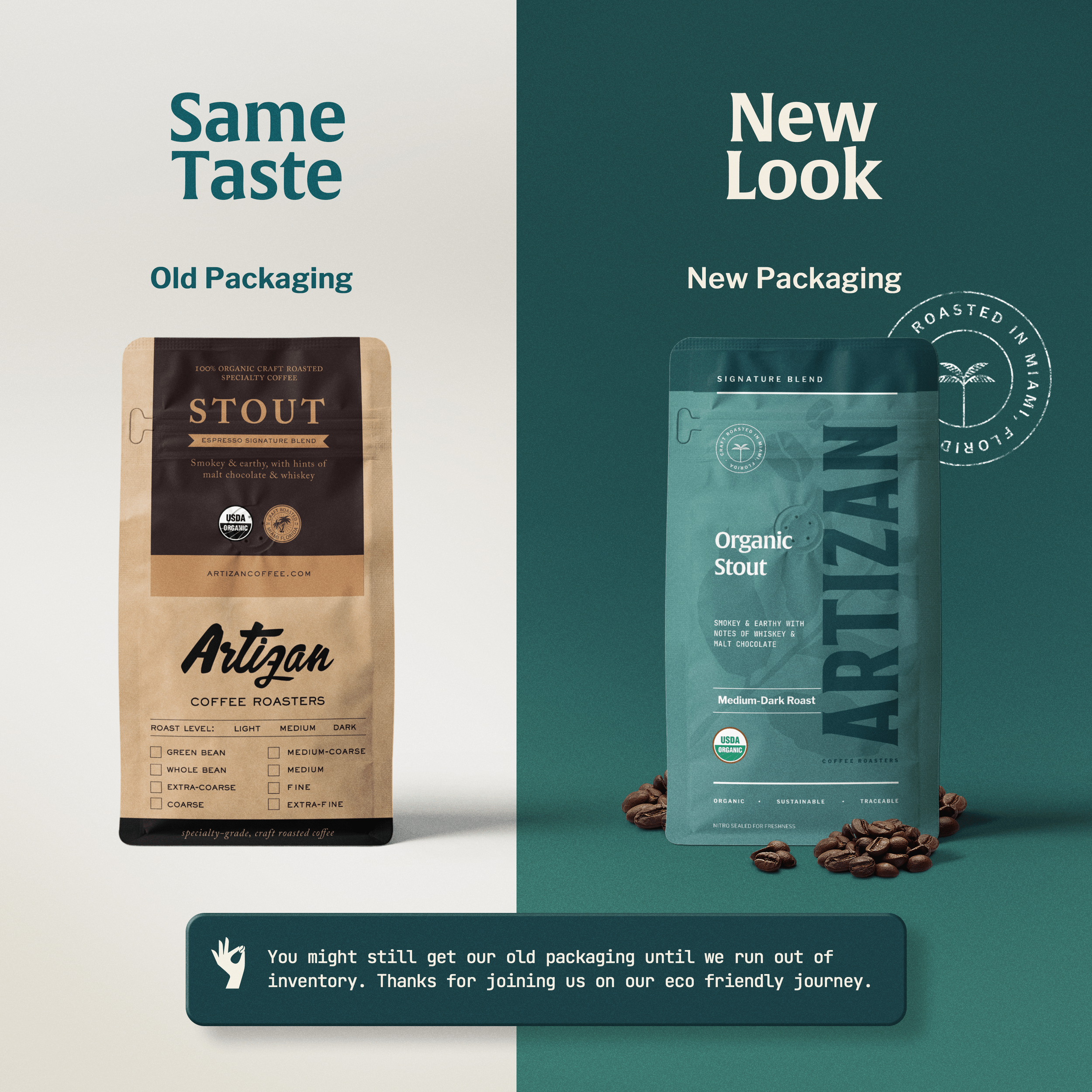



Organic Stout
- Flavor Profile: Dark & Intense
- Roast Level: Full City Plus
- Acidity: Low
 Free shipping on $50+
Specialty-Grade Organic Coffee
Freshly Roasted & Ground to Order
Nitrogen-Sealed for Just-Roasted Freshness
Whole Bean or Precision-Ground
Crafted With Care in South Florida
- Ingredients: USDA Organic Arabica-Robusta Blend
- Caffeine Level: High Caffeine
 Origin & Traceability
Origin & Traceability

Wayanad Social Service Society (WSSS)
The Wayanad Social Service Society (WSSS) is a cooperative growers’ collective and non-profit organization based in Wayanad, Kerala, India, founded in 1974 to support marginalized farming communities in the Western Ghats. It organizes and empowers over 8,000 smallholder farmers, focusing on organic and Fair Trade-certified coffee, spices, and pepper cultivation while promoting sustainable agriculture and community development. Located at 900–1,650 meters above sea level, WSSS farmers cultivate shade-grown Robusta and Arabica coffee under natural forest canopies, preserving biodiversity and soil health in this UNESCO Biosphere region. The society provides training on organic farming methods, certification support, technical assistance, and access to markets, ensuring that smallholder farmers receive fair prices for their crops. WSSS is also a pioneer in organic certification in Kerala, having facilitated certifications for over 19,000 farmers through collaboration with accredited certifying bodies like LACON and OneCert. Beyond agriculture, WSSS invests in community welfare through education programs, women's empowerment initiatives, and environmental conservation projects while ensuring transparent governance and fair practices across its member base. Their coffee, often natural-processed Robusta Cherry AA, is sun-dried and carefully graded, resulting in a clean, heavy-bodied cup profile with notes of dark chocolate and nutty sweetness typical of quality Indian Robusta. In essence, WSSS exemplifies a values-driven, farmer-centered cooperative model in India, combining high-quality, sustainable coffee production with impactful social and environmental initiatives that uplift smallholder farming communities in Wayanad.
Lot 1288 - India Organic Robusta Cherry A
- Country: India
- Region: Kerala
- Co-op: Wayanad Social Service Society (WSSS)
- Harvest: December - March
- Process: Full NaturalDried in the SunMechanical Dryer
- Variety: Robusta
- Altitude: 900 - 1,650 meters
- Soil: Volcanic Loam
- Arrival Date: 2026-07-01
- Lot Number: 1288

A group of smallholder farmers from Bener Meriah
A group of smallholder farmers from Bener Meriah, Sumatra came together to produce this regional blend. In this region, coffee farms average at just 0.5 – 2 hectares each. Bener Meriah is nestled around the northern shore of Lake Tawar and dominated by the imposing Burni Telong volcano. The process of producing coffee from groups of smallholder coffee farmers in Sumatra is complicated and involves many steps. Every village typically has a collector who receives the fresh-picked cherry from the smallholder coffee farmers for washed processing each day before continuing on to the central mill. For this coffee, PT Indokom Citra Persada managed the composition of the coffee, quality, milling and exporting. PT Indokom Citra Persada is an export group that works throughout Indonesia’s coffee regions, but who has a dedicated mill and operations team in Aceh.
Lot 1291 - Organic Sumatra Mandheling Beriah Citra Persada GR1
- Country: Indonesia
- Region: Bener Meriah, Sumatra
- Smallholder Farmers: A group of smallholder farmers from Bener Meriah
- Harvest: October
- Process: Semi-Washed (Wet-Hulled / Giling Basah)Patio Drying
- Variety: Catimor, Timtim
- Altitude: 1100 meters
- Soil: Volcanic highland soils
- Arrival Date: 2026-07-21
- Lot Number: 1291
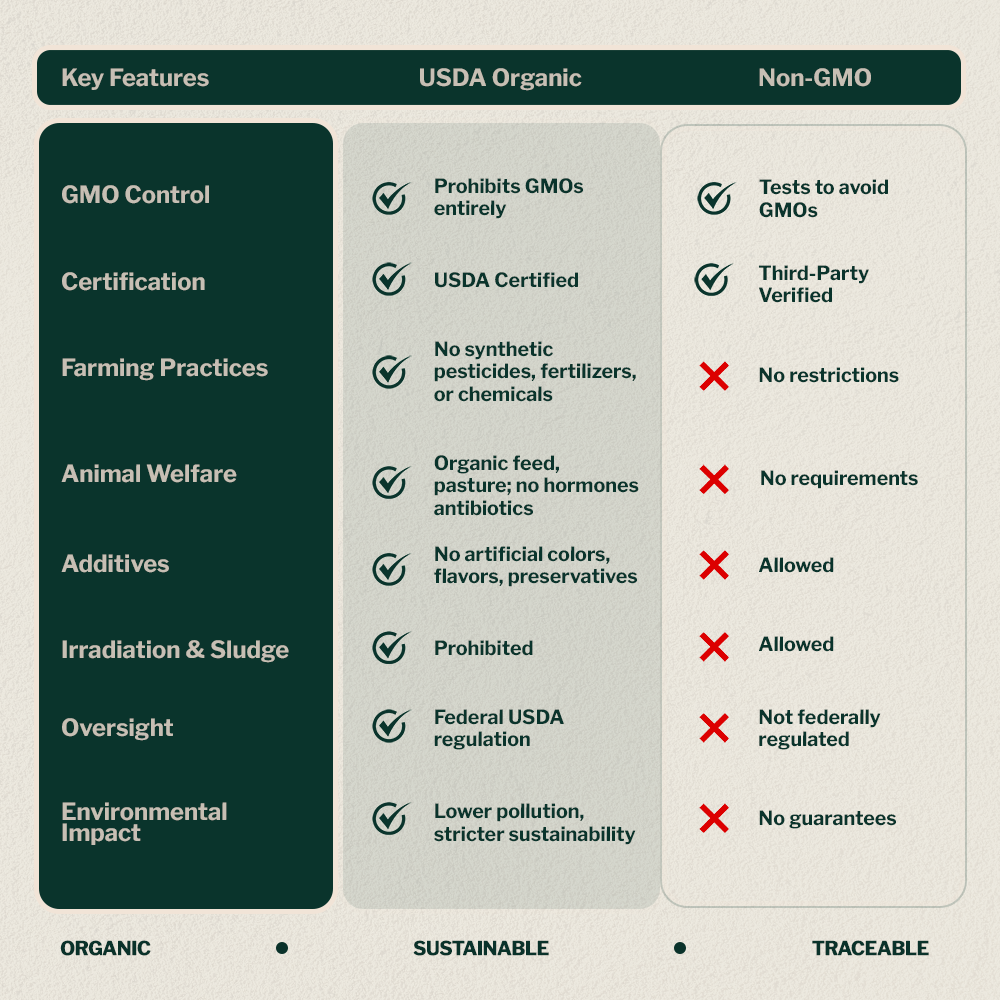
Certified USDA Organic
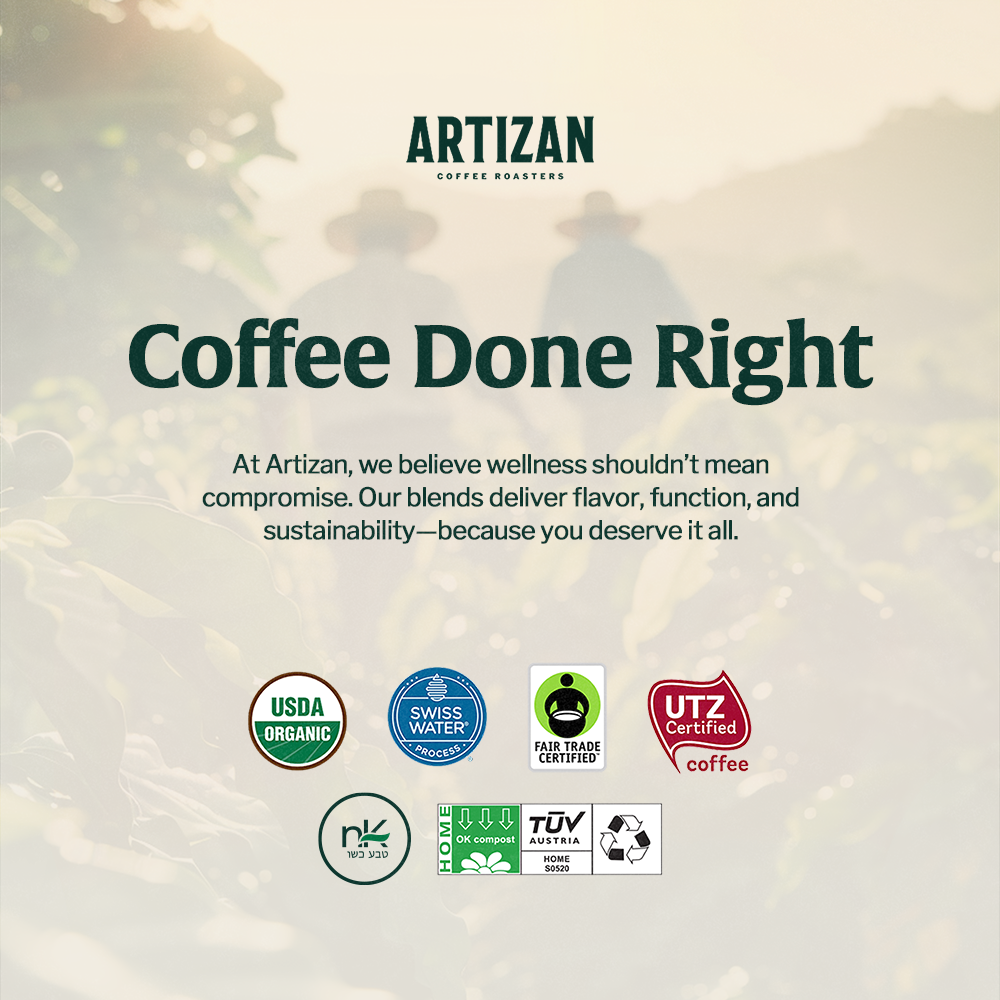
We’re not just using organic beans—we’re a USDA Organic certified facility. That means every step of our process, from sourcing to roasting to packaging, meets the highest standards. No synthetic pesticides, no chemical fertilizers—just clean coffee from soil to capsule.
Specialty-Grade Quality
Only the top 5% of coffee beans in the world qualify as specialty-grade. We go a step further—selecting only those that are also certified organic. Each batch is tested for quality and purity, including mold and mycotoxins. It’s coffee without compromise.
Swiss Water® Decaf (If applicable)
For our decaf products, we use the 100% chemical-free Swiss Water® Process—preserving flavor while eliminating caffeine without compromise.
Fair Trade Certified
We partner with producers who are paid fairly, work under ethical conditions, and invest in their communities. Fair Trade certification means your coffee supports a supply chain that’s as sustainable for people as it is for the planet.
Certifications You Can Count On
Made In-House for Full Transparency
We don’t outsource quality. Every bean is roasted, filled and sealed in our organic-certified, FDA-registered facility in South Florida—ensuring total transparency, craftsmanship and complete control over what goes into your cup.
No White-Label. No Mystery Fillers.
Some brands use third-party manufacturers and mass-market coffee. We don’t. What’s in your cup is 100% traceable, 100% Artizan, and 100% intentional.
Built for a Better Daily Ritual
Exceptional coffee shouldn’t come at the planet’s expense. Our coffee is crafted to deliver bold flavor—without waste, compromise, or question marks.
